
How Often Does a Septic Tank Need Cleaning?
The 3 to 5 year range is the baseline, but it moves with usage. A larger household running more loads of laundry, more dishwasher cycles and more toilet flushes pushes solids into the tank faster, which shortens the interval. A vacation home with two weekend visitors a month can stretch past 5 years without trouble. What doesn't change is the math: solids settle, scum floats, and both layers grow until they take up too much of the tank's working volume. Skip pumping long enough and solids carry into the drain field, which is the expensive failure, and the same logic applies to a grease trap pumping schedule for a commercial kitchen. If you're not sure which end of the range applies to your McAllen property, septic pumping service can check tank levels and tell you where you stand. For a straight answer on cost before you schedule, septic tank pumping cost breaks down what a standard visit runs.
What Determines Your Septic Tank Pumping Frequency?
Three things drive septic tank cleaning frequency: tank size, household size, and what goes down the drain. A small tank serving a big family needs attention more often than the reverse, a point covered in more detail on how often to pump a septic tank. Garbage disposals add solids faster than a household without one, similar to how a busy jobsite pushes portable toilet rental units toward more frequent service. Older homes around McAllen sometimes have smaller tanks than what would get installed today, which means a shorter interval even with the same number of people. Watch for septic tank warning signs between scheduled visits: slow drains, gurgling pipes, or standing water near the drain field all point to a tank that's fuller than it should be. If you run a restaurant or commercial kitchen, that's a different system entirely; grease and food solids build differently, and a grease interceptor gets pumped once fats, oils, grease and solids reach 25 percent of the liquid depth, not on a fixed calendar. Grease trap pumping covers that side separately from residential septic work.

Why Does Regular Pumping Matter?
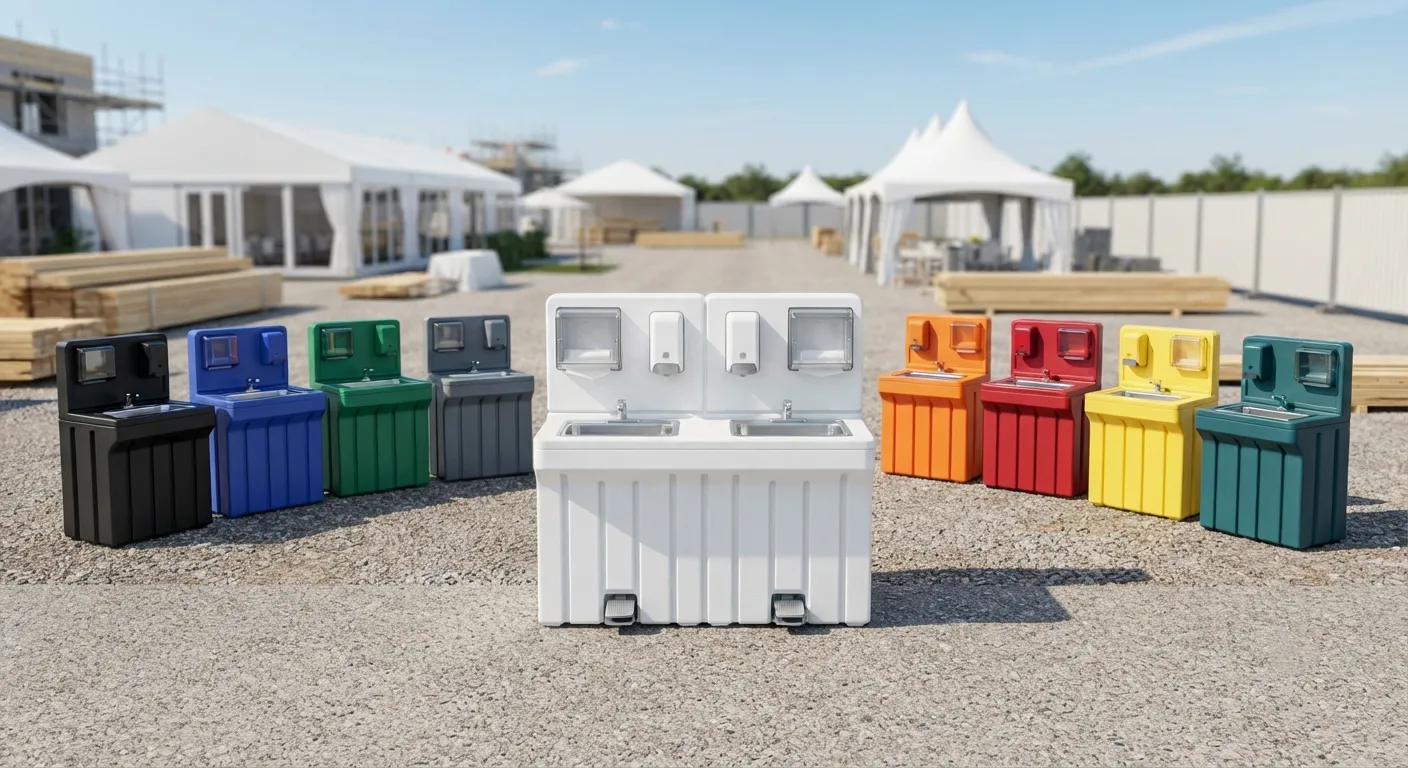
Skipping a pump-out doesn't save money, it postpones a bigger bill. Once solids build past the tank's capacity to hold them, they move into the drain field, and a clogged drain field is a repair that costs far more than a pump-out ever would. Regular service also protects the tank itself. McAllen sits in an area where septic systems handle everything from daily household water use to seasonal load changes, and a tank pumped on schedule handles both without strain, the same way a porta potty rental checklist keeps a jobsite from missing a service date. If your property does not have a functioning septic system yet, or if you're between systems during a repair, holding tank rental is a stopgap that keeps a household running. Construction sites and agricultural operations without hookups face similar sanitation math, and OSHA 1928.110 sets a related standard for agriculture: potable water, toilets and handwashing for hand-labor employees, at one facility per 20 employees, within a quarter mile walk, which is why farm and agricultural restrooms and handwashing station rental come up together on rural jobsites. That's a different requirement than septic pumping, but it points at the same idea. Waste has to go somewhere, and somebody has to plan for it.
When Should You Schedule Septic Service?
Schedule before symptoms show up, not after. A tank pumped on the 3 to 5 year cycle rarely causes trouble. A tank pumped only after slow drains or backups appear has usually already stressed the drain field. If you're building or renovating a home in McAllen and don't have a septic history for the property, ask the previous inspection or ask a pumping company to check tank levels on the first visit. That single visit tells you where you land on the interval and sets your next service date, the same way porta potty placement guide helps a builder plan sanitation before a crew shows up. Homes near Mission, about 7.1 miles west of McAllen, and Pharr, about 7.4 miles southeast, sit on similar soil and face the same pumping math. So do properties near Alton, roughly 8.2 miles northwest, and near Hidalgo, about 9.7 miles south, where porta potty rental in Hidalgo covers jobsite needs on the same soil. If you're managing a jobsite instead of a home, temporary sanitation works differently: construction site services and porta potty rental in McAllen cover crews without a septic connection at all, how many porta potties do I need helps size that separately from tank pumping, and a standard porta potty rental or restroom trailer rental fills the gap while a home system is offline.
Pumping Frequency by Household Size
| Household size | Typical interval | Notes |
|---|---|---|
| 1-2 people | 4-5 years | Lower daily water use |
| 3-5 people | 3-4 years | Standard family use |
| 6+ people | 2-3 years | Higher solids load |
How do I know if my septic tank needs pumping now?
Slow drains, gurgling in the pipes, or a wet patch over the drain field all mean the tank is likely full. Don't wait for a backup. Call for an inspection, and if it's urgent, emergency septic service handles same-situation calls in McAllen, the same way emergency porta potty rental covers a sudden jobsite gap.
Does tank size change how often I need pumping?
Yes. A larger tank holds more solids before it needs service, so two households with the same number of people but different tank sizes will land on different schedules. Septic tank cleaning can confirm your tank size if it's not on record.
Can I pump my own septic tank?
No. It requires vacuum equipment and proper disposal, which residential owners don't have, unlike a storage container rental or roll-off dumpster rental that a homeowner can rent and manage directly. A licensed service handles extraction and hauls waste to an approved facility, which keeps you compliant and keeps the job done right.
Is septic pumping different from septic tank cleaning?
Pumping removes liquid and settled solids. Cleaning sometimes includes breaking up scum layers and rinsing tank walls. Most standard service visits do both in one trip, so the terms often mean the same job in practice, much like septic tank cleaning and pumping get billed together on one invoice.
What happens if I never pump my septic tank?
Solids eventually overflow into the drain field, clogging the soil that treats wastewater. That failure is expensive to fix and sometimes means replacing the entire drain field, far beyond the cost of routine pumping every 3 to 5 years.
Next step
Get a delivery date
Tell us the address, the dates and the headcount. We size the order and confirm the route.